Put On Your Detective Hat: The Scene-by-Scene Companion for Watching 'Kiss Me Kill Me' Twice
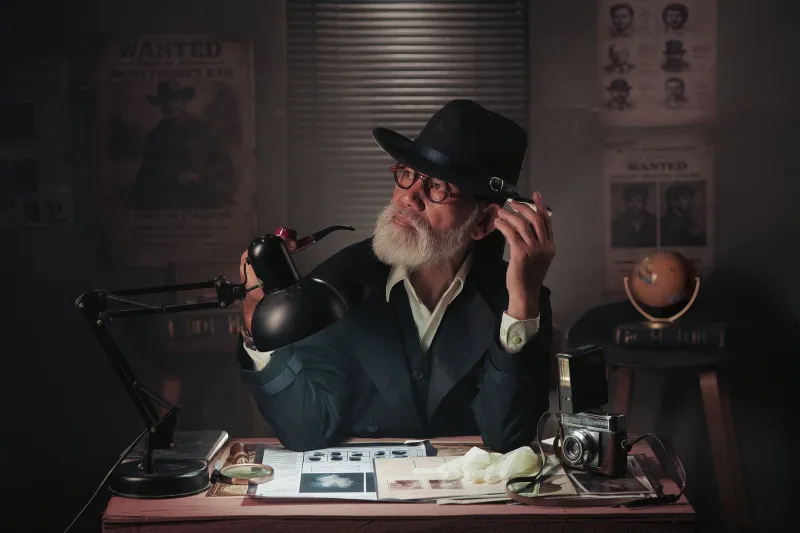
Some movies you watch. This one you work.
'Kiss Me Kill Me' was built for the rewatch — every frame loaded with details that seem like set dressing until the third act snaps everything into focus. If you're the type who pauses true-crime docs to Google the case files, this companion is your case file. First, a spoiler-free checklist to sharpen your instincts on watch number one. Then, once you've seen the ending, come back for the full breakdown of how the film fooled you.
No cheating. The movie will know.
The First-Watch Checklist: What to Track Before the Credits Roll
Keep these five questions in the back of your mind as you watch. Don't take notes on your first pass — just let them simmer.
1. Who's telling you the story? Every thriller has a narrator, whether it's a voiceover or just the camera's point of view. Ask yourself: is this account reliable? Would this character have any reason to soften, skip, or reshape what happened?
2. What time is it — really? Pay attention to clocks, weather, phone screens, and wardrobes. If a scene feels like it happens the night after the previous one, check that assumption. Indie thrillers love a time jump disguised as a smooth cut.
3. Which props get a second look? When the camera lingers on a lighter, a key, a phone face-down on a table — that's not an accident. Filmmakers don't pay for close-ups they don't need. Note anything that gets more than two seconds of screen time.
4. Who's the red herring? Every good whodunit hands you a suspect who's almost too convenient. If a character shows up late and acts suspicious, ask whether they're a culprit or a decoy. The answer is usually 'decoy' — but not always.
5. What's the kiss actually worth? This is 'Kiss Me Kill Me,' after all. One kiss changes everything. Watch what happens immediately after it — who sees it, who lies about it, who suddenly has leverage.
How to Spot a Planted Clue (Without Spoiling Yourself)
Here's the trick the film uses over and over: the real clues are hidden inside moments that feel like flavor. A bartender's throwaway line. A voicemail that plays under a scene instead of over it. A character mentioning a place they 'never' go — and the camera quietly disagreeing later.
A rule of thumb borrowed from the best twisty indies: if a detail resolves nothing in the moment, it's probably a debt the movie plans to pay off. Chekhov's gun, but make it a lipstick smear on a coffee cup.
And watch the edits. When a scene cuts away right before something would be confirmed — a door opening, a name being said — that gap is deliberate. The film is asking you to fill in the blank. Most first-time viewers fill it in wrong, which is exactly the point.
The Timeline Tricks, Decoded
Without giving anything away: 'Kiss Me Kill Me' plays with sequence the way a card sharp plays with a deck. Nothing is shown out of order to confuse you — it's shown out of order to recontextualize you. A scene you took as a flashback might actually be a flash-forward. A conversation you assumed happened before the kiss may have happened after.
The tell? Listen to the dialogue's tense. Characters referencing events they shouldn't know about yet, or using past tense a beat too early, are the film's fingerprints all over the timeline.
⚠️ Full-Spoilers Zone: For Your Second Watch ⚠️
Seriously — last chance. If you haven't seen the ending, stop here and go watch. The rewatch is where the fun is.
Still with us? Good. Here's what you missed:
The narration was never neutral. The story is framed as one character's recollection, and that character is editing in real time. On rewatch, notice how their version of events always makes them one step more sympathetic than the blocking suggests. The camera shows the truth; the framing sells the alibi.
The kiss happens twice — sort of. The film shows you the kiss early, then shows it again from the other side of the timeline, and the context flips it from romance to blackmail. The second viewing makes the first version feel like a magic trick you fell for.
The red herring was wearing the loudest coat. The character the film keeps pushing toward the frame is guilty of something — just not the thing. Their secret is a decoy secret, planted so the real one stays buried. Rewatch their every scene and you'll see the filmmakers playing fair: the real clues are there, just quieter.
The final shot is a confession. Look at what's reflected in the window during the last scene. It's been on screen the whole time; you just didn't know what you were looking at.
Watch It Like a Detective, Twice
The best twisty thrillers reward the audience that pays attention — and punish, lovingly, the one that doesn't. Queue up 'Kiss Me Kill Me,' run the checklist, then come back and see how many debts you can spot the movie quietly paying off. One kiss. One secret. And about forty details you'll swear you saw the first time.
You didn't. That's the fun.