Rewind the Kiss: Five Editing Tells That Spoil a Thriller's Twist (If You Know Where to Look)
Let's be honest: half the fun of a twist movie is bragging that you saw it coming. The other half is pretending you didn't. But here's a secret the thriller industry would rather you not know — the twist is almost never hidden. It's just edited into the background, where your eyes slide right past it.
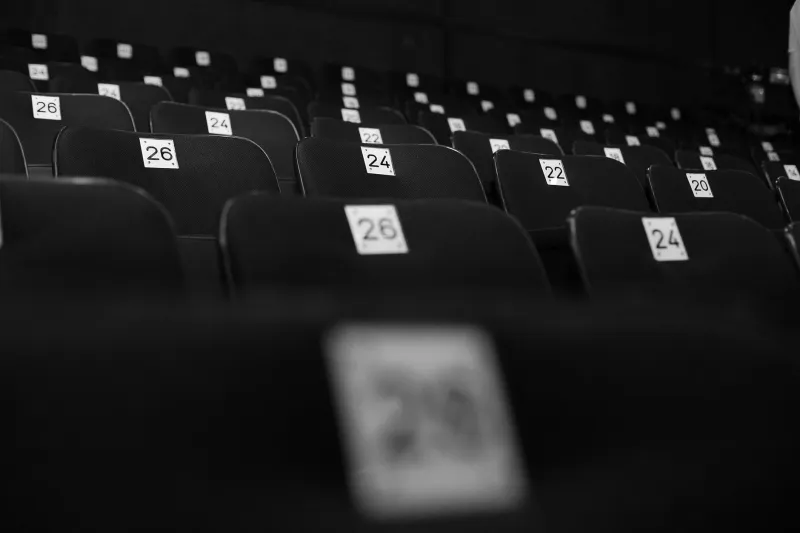
I've watched enough cuts of 'Kiss Me Kill Me' to develop a nervous twitch around certain camera choices. And I'm here to pass the infection along. Consider this your training montage for the next time you're four rows back at the multiplex, popcorn going cold, convinced the nice neighbor is the nice neighbor.
Tell #1: The Insert Shot That Won't Leave
Every thriller has an object it keeps shoving in your face: a set of keys, a lighter, a phone face-down on the nightstand. When a cutaway lingers half a second longer than it needs to, that's not atmosphere. That's the editor stapling a note to the screen that says, "Remember this. It's going to matter."
The pro move? When you spot the third lingering insert of the same object, start building your theory around it. You'll be right more often than the detective on screen.
Tell #2: The Kiss That's Framed Like Evidence
Look, we made a whole movie about a dangerous kiss, so trust me on this one: when a filmmaker frames a kiss straight-on, centered, symmetrical — like a passport photo — that's not romance. That's documentation. Real intimacy on screen is messy, off-axis, half-obscured. A kiss shot like a crime scene photo means the filmmakers want you to study the faces, not feel them.
Bonus tell: if you can see one person's eyes open during the kiss, congratulations, you've just met your killer.
Tell #3: The Conveniently Unlocked Everything
Doors. Oh, the doors. The character who leaves the front door unlocked. The car that's never locked. The barn that opens at a touch. Nobody in real life lives like this, which is exactly the point — unlocked doors in movies are invitations. The editor is telling you someone is expected.
Same energy applies to characters who conveniently leave rooms right before something happens. Nobody's bladder is that well-timed.
Tell #4: The Character Who's Too Calm in the Coverage
Here's the sneakiest one, because it's not about what is shown but how much. Watch who gets the most relaxed, well-lit, generously framed shots. Twists require misdirection, and the classic misdirection is starving the guilty party of screen time — or, the reverse, burying them in warm, trustworthy coverage so you stop questioning them.
The tell isn't the performance. It's the dose. If one character keeps getting cozy two-shots while everyone else gets paranoid singles, the editor has already picked a side. They're just waiting for you to catch up.
Tell #5: The Score That Agrees With You Too Much
Music is the accomplice. When the soundtrack leans into dread during a scene, it's usually honest — dread is coming. But when the score goes warm and reassuring during a moment that feels slightly off? That's the con. Editors use comfort like a magician uses a smile: it's pointed away from the trick.
Rule of thumb: the safer a scene feels, the more dangerous it probably is. Trust the discomfort your gut registers before the violins do.
Now Go Ruin Movies for Yourself (It's More Fun Than It Sounds)
The beautiful thing about learning an editor's tells is that it doesn't actually spoil thrillers — it deepens them. Once you start spotting the machinery, you're not just watching a story anymore. You're playing a two-hander with the filmmakers, and every lingering shot is them saying, "We see you. Try to keep up."
We planted a few of these in 'Kiss Me Kill Me' ourselves. Some are honest. One is a lie we're rather proud of. See you at the credits.